
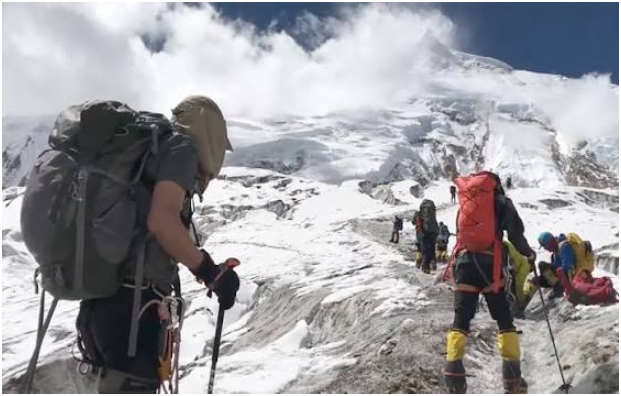

Nepal is renowned for its extraordinary Himalayan landscapes, but the country offers much more than the famous Everest region. For experienced mountaineers and adventurous trekkers, remote mountain areas provide opportunities to explore dramatic valleys, glaciers, high passes, and some of the world’s most impressive peaks. The Manaslu Expedition and Saribung Expedition are two distinctive Himalayan adventures that combine demanding high-altitude travel with remarkable scenery and cultural experiences.
Although both journeys take place in remote areas of Nepal, they offer very different experiences. The Manaslu Expedition focuses on climbing an 8,000-meter peak, while the Saribung Expedition combines high-altitude trekking, a challenging mountain pass, and a peak-climbing experience in the remote Mustang region.
Manaslu Expedition
The Manaslu Expedition is one of Nepal’s most respected high-altitude mountaineering adventures. Mount Manaslu rises to 8,163 meters, making it the eighth-highest mountain in the world. Located in the Mansiri Himal range of western-central Nepal, Manaslu attracts climbers who are prepared for the physical and technical demands of an 8,000-meter expedition.
The journey begins with an approach through the Manaslu region, where the landscape changes gradually from green foothills and terraced farmland to alpine valleys and glacial terrain. The route passes through traditional mountain communities and provides an opportunity to experience the cultural heritage of the region before reaching the high-altitude environment around Manaslu Base Camp.
The expedition itself requires extensive preparation. Climbers face cold temperatures, thin air, steep snow and ice, glaciers, and unpredictable mountain weather. Acclimatization is a fundamental part of the expedition, with climbers typically spending time at different elevations before making a summit attempt.
One of the most rewarding aspects of the Manaslu Expedition is the combination of serious mountaineering and remote Himalayan exploration. The surrounding landscapes provide magnificent views of Manaslu and the neighboring peaks throughout the approach.
Key Points of Manaslu Expedition
- Mountain: Mount Manaslu
- Elevation: 8,163 meters
- Location: Mansiri Himal, Nepal
- Difficulty: Extremely challenging
- Expedition type: 8,000-meter high-altitude mountaineering
- Major attraction: Summit of the world’s eighth-highest mountain
- Terrain: Glaciers, snow slopes, ice, rocky sections, and high-altitude terrain
- Best suited for: Experienced high-altitude mountaineers
- Essential preparation: Excellent physical fitness, acclimatization, technical climbing experience, and specialized expedition equipment
The Manaslu region is also culturally significant. Villages along the approach reflect the traditions of Himalayan communities, and Buddhist monasteries and prayer flags add a spiritual dimension to the journey.
Saribung Expedition
The Saribung Expedition offers a very different Himalayan experience. Located in the remote Mustang region, Saribung Peak rises to approximately 6,346 meters and is associated with the challenging Saribung Pass. The journey combines remote trekking, high-altitude landscapes, and peak climbing, making it particularly attractive to adventurous travelers seeking an expedition away from Nepal’s busiest routes.
The route generally explores the remote valleys of the Nar-Phu and Mustang regions. These areas are known for dramatic cliffs, barren mountain landscapes, ancient settlements, and distinctive Tibetan-influenced culture.
One of the highlights is crossing Saribung Pass, which takes trekkers into a demanding high-altitude environment. The route involves long walking days and changing terrain, including rocky paths, glaciers, snow-covered sections, and high mountain valleys.
Reaching Saribung Peak adds a mountaineering element to the journey. Climbers need suitable equipment and experience with high-altitude terrain. Depending on conditions, the summit route can involve snow and ice, making proper preparation and professional support important.
Key Points of Saribung Expedition
- Peak: Saribung Peak
- Elevation: Approximately 6,346 meters
- Location: Remote Nar-Phu and Mustang region, Nepal
- Difficulty: Challenging
- Expedition type: High-altitude trekking, pass crossing, and peak climbing
- Major attraction: Saribung Pass and remote Himalayan landscapes
- Terrain: Glaciers, rocky trails, snow, high valleys, and mountain passes
- Best suited for: Experienced trekkers and aspiring mountaineers
- Essential preparation: Good physical fitness, acclimatization, suitable climbing equipment, and experience with high-altitude trekking
Unlike more established trekking routes, the Saribung journey offers a strong sense of wilderness. The remote valleys and limited infrastructure make the expedition feel more exploratory, while the traditional communities provide an important cultural element.
Manaslu vs. Saribung Expedition
Although both adventures involve remote Himalayan terrain, their level and purpose are quite different.
The Manaslu Expedition is a serious 8,000-meter mountaineering objective. It requires extensive experience, strong physical conditioning, technical ability, and the ability to operate safely in an extremely high-altitude environment.
The Saribung Expedition is lower in elevation but combines several different challenges. Trekkers must be prepared for long days at altitude, a high mountain pass, remote terrain, and a peak-climbing section.
Manaslu is therefore more appropriate for experienced high-altitude mountaineers seeking an 8,000-meter summit. Saribung can appeal to experienced trekkers and climbers who want a demanding expedition that combines cultural exploration, remote trekking, a high pass, and peak climbing.
The two journeys also differ in atmosphere. Manaslu focuses heavily on high-altitude mountaineering, while Saribung places greater emphasis on exploration through remote Himalayan valleys.
Best Time for These Expeditions
Spring and autumn are generally the principal seasons for Himalayan trekking and climbing in Nepal. Spring offers favorable conditions for many high-altitude expeditions, while autumn often provides clearer skies and excellent mountain visibility after the monsoon.
However, conditions can change quickly at high elevations. Strong winds, snowfall, freezing temperatures, and poor visibility can affect both routes. A flexible itinerary is therefore important, particularly during the summit and high-pass sections.
Winter can bring severe cold and significant snowfall, while monsoon conditions may create wet trails and transportation difficulties in lower areas.
Physical and Technical Preparation
Preparation should begin well before arriving in Nepal. Both expeditions require good cardiovascular fitness, strong endurance, and the ability to walk for extended periods in difficult terrain.
Manaslu requires a much higher level of mountaineering preparation because of its extreme altitude and demanding climbing environment. Experience with glaciers, crampons, ropes, ice axes, and high-altitude expedition techniques is essential.
Saribung also requires preparation for high-altitude trekking and peak climbing. Trekkers should be comfortable walking on uneven terrain and should understand the challenges associated with crossing a high mountain pass.
Acclimatization is essential on both journeys. A gradual ascent allows the body to adapt to reduced oxygen levels and helps reduce altitude-related risks. Climbers should always pay attention to their health and follow the advice of experienced expedition leaders.
Responsible Travel in Remote Nepal
Remote Himalayan expeditions come with a responsibility to protect the environment and respect local communities. Travelers should minimize waste, avoid damaging fragile landscapes, and follow local conservation and trekking regulations.
Cultural respect is equally important. The Manaslu, Nar-Phu, and Mustang regions have distinctive traditions and religious practices. Respecting monasteries, local customs, villages, and sacred sites helps preserve the cultural character of these destinations.
Supporting local guides, porters, accommodation providers, and other community businesses can also contribute to sustainable tourism.
Conclusion
The Manaslu Expedition and Saribung Expedition showcase two fascinating sides of adventure in the Nepal Himalayas. Manaslu offers the immense challenge of climbing an 8,000-meter mountain and is best suited to experienced mountaineers who are prepared for extreme altitude and demanding conditions.
Saribung provides a different type of expedition, combining remote Himalayan trekking, the crossing of Saribung Pass, and the challenge of climbing a 6,000-meter-class peak. Its remote valleys, dramatic landscapes, and unique cultural environment make it an excellent choice for adventurers seeking an experience away from Nepal’s busiest trails.
Both journeys demand careful planning, physical preparation, acclimatization, suitable equipment, and experienced support. For those who are properly prepared, however, the rewards are exceptional: spectacular mountain landscapes, meaningful cultural encounters, and the personal satisfaction of completing a challenging Himalayan adventure.