
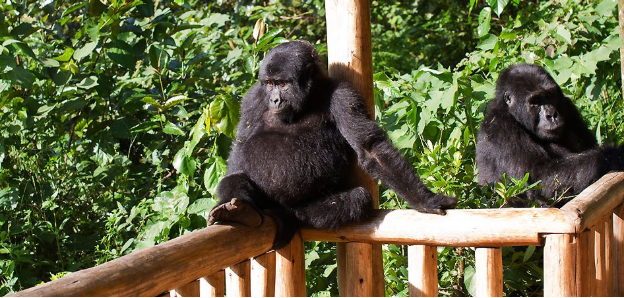

Group safaris to see mountain gorillas offer an exceptional way to experience one of wildlife tourism’s most extraordinary encounters while sharing the adventure with like-minded travelers. These organized journeys combine the thrill of tracking endangered mountain gorillas through misty African forests with the camaraderie, cost savings, and shared excitement that group travel provides. Whether joining strangers who become friends or traveling with family and companions, group gorilla safaris create collective memories and meaningful connections that enhance an already transformative experience.
Understanding Group Gorilla Safari Formats
Group safaris to see mountain gorillas come in various formats, each designed to meet different traveler needs, budgets, and preferences. Understanding these options helps travelers select experiences aligned with their expectations and travel style.
Scheduled Departure Group Safaris
Scheduled departure safaris operate on fixed dates with predetermined itineraries, allowing individual travelers or small parties to join larger groups. These safaris typically accommodate 6-16 participants and follow established routes with confirmed accommodations and activities. Tour operators publish departure dates months in advance, allowing travelers to plan around their schedules while benefiting from group pricing.
This format works exceptionally well for solo travelers seeking mountain gorilla encounters without the premium costs of private arrangements. The social dimension adds value, with participants often forming lasting friendships bonded by shared extraordinary experiences. Scheduled departures also provide peace of mind through established itineraries, experienced group leaders, and the security of traveling with others.
Private Group Safaris
Private group safaris cater to pre-formed groups of friends, families, special interest clubs, or organizations wanting mountain gorilla experiences customized to their specific interests. These safaris offer maximum flexibility in itinerary design, accommodation selection, and activity pacing while maintaining the cost advantages of group travel through shared transportation, guide services, and logistical arrangements.
Private groups ranging from 4-20 people can negotiate departure dates, accommodation standards, and additional activities to create perfectly tailored experiences. Families celebrating milestones, friend groups pursuing bucket-list adventures, photography clubs seeking optimal shooting conditions, or organizations offering member benefits all benefit from private group safari formats.
Small Group Specialized Safaris
Small group specialized safaris limit participants to 4-8 travelers and focus on specific interests such as photography, primate behavior study, conservation, or wellness. These intimate groups attract participants with shared passions, creating deeper connections and allowing for specialized guidance from expert leaders in relevant fields.
Photography-focused group safaris to see mountain gorillas might include professional photographers as group leaders, emphasizing optimal positioning, lighting considerations, and camera techniques for challenging forest conditions. Conservation-oriented groups might incorporate meetings with park managers, research scientists, and community leaders to understand gorilla protection efforts comprehensively.
The Economics of Group Gorilla Safaris
Group safaris to see mountain gorillas deliver significant cost advantages compared to private safaris while maintaining high-quality experiences. Understanding the economics helps travelers appreciate the value proposition and make informed decisions about safari investments.
The most substantial expense in any gorilla safari is the trekking permit itself, costing $700 in Uganda, $1,500 in Rwanda, and approximately $400 in Democratic Republic of Congo per person. These permit costs remain constant whether traveling independently, in groups, or privately. However, virtually all other expenses decrease substantially when distributed across multiple participants.
Ground transportation represents a major cost area where groups achieve savings. A safari vehicle with driver-guide costs approximately the same whether carrying one person or six. When distributed across a group, per-person transportation costs drop dramatically. Similarly, guide services, park fees beyond gorilla permits, and various logistical expenses benefit from group sharing.
Accommodation costs also favor group travel, particularly when lodges offer group discounts or when multiple participants share rooms or tents. Many mid-range and budget accommodations price on a per-room basis, making sharing economical. Even in upscale properties, groups often negotiate favorable rates due to guaranteed occupancy.
Group safaris to see mountain gorillas typically cost 30-50% less per person than equivalent private safaris, making these extraordinary experiences accessible to travelers who might otherwise find gorilla trekking financially prohibitive. A quality group gorilla safari might range from $2,500-$6,000 per person for 7-10 days, compared to $4,000-$10,000 for similar private arrangements.
Social Dynamics and Shared Experiences
The social dimension of group safaris to see mountain gorillas adds unexpected value that solo or private travelers miss. Sharing the anticipation, challenge, and triumph of gorilla trekking with others creates bonds forged through collective extraordinary experiences.
Pre-trek mornings bring nervous excitement as groups gather for breakfast, sharing concerns about fitness levels and speculating about which gorilla family they’ll encounter. The trek itself often involves mutual encouragement as participants support each other through challenging terrain. Those who struggle receive help from stronger hikers, while experienced trekkers share tips for navigating muddy slopes or dense vegetation.
The hour spent with gorillas, while individually profound, gains depth when shared. Post-encounter conversations reveal how different people perceived the same experience, with observations and insights shared enriching everyone’s understanding. A group member might notice an infant’s playfulness that others missed, while another captures the tender interaction between a mother and juvenile that becomes a shared memory.
Evening gatherings at lodges or camps become forums for processing experiences, sharing photographs, and deepening connections. These informal debriefings often prove as valuable as the gorilla encounters themselves, as participants reflect collectively on what they witnessed and what it means for conservation, human-primate connections, and personal growth.
For solo travelers, group safaris eliminate the isolation that can diminish adventure travel experiences. Rather than dining alone or processing extraordinary wildlife encounters without conversation partners, solo participants in group safaris enjoy built-in companionship with others who share their passion for wildlife and adventure.
Selecting Quality Group Gorilla Safari Operators
The quality of group safaris to see mountain gorillas varies significantly among operators, making careful selection critical for ensuring positive experiences. Several factors distinguish reputable operators from those offering substandard services.
Established Track Record and Reputation
Reputable group safari operators demonstrate years of successful gorilla safari operations with verifiable reviews and testimonials from past participants. Online review platforms, travel forums, and conservation organization endorsements provide insights into operator reliability, guide quality, and overall experience delivery.
Operators with established local presence in gorilla trekking destinations typically provide superior experiences compared to those operating remotely. Local operators maintain relationships with parks, lodges, and communities that translate into smoother logistics and richer cultural interactions.
Transparent Pricing and Inclusions
Quality operators provide detailed pricing breakdowns clearly specifying what’s included and excluded. Hidden costs, unclear inclusions, or vague itinerary descriptions indicate potentially problematic operators. Reputable companies transparently disclose gorilla permit costs, accommodation standards, meal inclusions, transportation details, and any optional add-ons requiring additional payment.
Group safari pricing should include gorilla trekking permits, accommodations, most meals, ground transportation, park fees, and guide services. Optional items typically include international flights, travel insurance, alcoholic beverages, tips, and personal purchases.
Experienced Guides and Support Staff
Exceptional guides transform good group safaris into outstanding experiences. Quality operators employ guides with extensive knowledge of gorilla behavior, ecology, and conservation, combined with strong interpersonal skills for managing group dynamics and ensuring all participants feel supported and engaged.
The best group gorilla safari guides balance providing information with allowing space for personal reflection, manage varying fitness levels within groups diplomatically, and create inclusive atmospheres where all participants feel valued regardless of experience level or background.
Sustainable and Ethical Practices
Responsible group safari operators demonstrate commitment to conservation and community benefit through transparent practices, appropriate gorilla encounter protocols, partnerships with local communities, and environmental sustainability measures. Operators supporting conservation organizations, employing local staff, or contributing directly to community development projects deserve preference over those focused solely on profit.
Optimal Group Sizes for Gorilla Safaris
Group safaris to see mountain gorillas function optimally within certain size parameters that balance social benefits, logistical efficiency, and environmental impact. Understanding group size implications helps travelers select experiences matching their preferences.
Park regulations limit gorilla family visits to eight people daily, meaning trekking groups never exceed eight participants. This maximum protects gorillas from overcrowding stress and disease transmission risks while ensuring all participants enjoy adequate visibility and personal space during encounters.
For overall safari groups, 8-12 participants represents an ideal range. Groups this size generate sufficient social energy and cost savings while remaining manageable for guides and allowing meaningful interactions among all members. Smaller groups of 4-6 provide more intimate experiences with greater flexibility but fewer social connections and less dramatic cost reductions.
Larger groups of 16-20 participants save maximum money but can feel unwieldy, with reduced personal attention from guides and more complex logistics. Such groups often subdivide for certain activities, diluting the cohesive group experience while maintaining cost benefits.
Combining Gorilla Trekking with Additional Group Activities
Group safaris to see mountain gorillas gain value when incorporating complementary activities that showcase destinations’ broader attractions while allowing group bonding beyond trekking days. Well-designed itineraries balance gorilla encounters with diverse experiences preventing single-focus fatigue.
Chimpanzee and Golden Monkey Tracking
Many group gorilla safaris include chimpanzee tracking in Uganda’s Kibale Forest or Rwanda’s Nyungwe Forest, providing comparative primate experiences that highlight behavioral and ecological differences between species. Golden monkey tracking in Rwanda’s Volcanoes National Park or Uganda’s Mgahinga adds another unique primate encounter, with these endangered monkeys’ acrobatic bamboo forest antics contrasting beautifully with gorillas’ more deliberate movements.
Savanna Wildlife Safaris
Combining forest-based gorilla trekking with savanna game drives creates comprehensive African wildlife experiences. Uganda’s Queen Elizabeth and Murchison Falls National Parks or Rwanda’s Akagera National Park offer classic Big Five safaris that complement primate encounters. Group game drives in comfortable safari vehicles provide relaxed wildlife viewing between the physical demands of forest trekking.
Cultural Experiences
Group visits to local communities, including Batwa pygmy cultural experiences, traditional dance performances, craft cooperative visits, and village homestays, provide cultural context for gorilla tourism while supporting local economies. These activities work particularly well in group formats, with collective engagement creating lively, memorable interactions.
Adventure Activities
Adventurous groups often incorporate white-water rafting on Uganda’s Nile, canopy walks in Nyungwe Forest, volcano hiking in Rwanda’s Virunga Mountains, or Lake Kivu water sports. These activities diversify itineraries while providing opportunities for group bonding through shared adventure.
Physical Preparation for Group Gorilla Trekking
Group safaris to see mountain gorillas require participants to meet reasonable fitness standards ensuring they can complete treks without compromising their own experiences or those of group members. Understanding physical demands and preparing appropriately prevents difficulties and maximizes enjoyment.
Gorilla trekking involves hiking through mountainous terrain on often muddy, steep trails at altitudes of 2,200-4,300 meters. Trek duration varies unpredictably from one to eight hours depending on gorilla family location. While not requiring athletic ability, cardiovascular fitness for sustained uphill hiking and leg strength for navigating uneven terrain significantly enhance comfort.
Recommended preparation includes regular hiking on varied terrain in the three months before departure, cardiovascular exercise such as jogging, cycling, or swimming, and leg-strengthening exercises including squats, lunges, and step-ups. Building endurance for 3-4 hours of continuous moderate exertion prepares participants adequately.
Group safari operators typically provide honest assessments of physical requirements and work with participants before departure to ensure realistic expectations. Some operators offer fitness guidelines or recommended training regimens, demonstrating commitment to participant success and satisfaction.
Participants should communicate honestly about fitness levels and medical conditions when booking group safaris. Most operators accommodate varying fitness levels by requesting easier or harder gorilla family assignments, though gorilla locations remain ultimately unpredictable.
Managing Expectations in Group Gorilla Safaris
Realistic expectations contribute significantly to satisfaction with group safaris to see mountain gorillas. Understanding potential challenges alongside extraordinary rewards prevents disappointment and enables participants to embrace experiences fully.
Weather and Trail Conditions
Mountain gorilla habitat receives frequent rainfall creating muddy, slippery conditions year-round. Groups should expect and prepare for wet weather regardless of season, with appropriate rain gear and waterproof boots essential. The term “impenetrable” in Bwindi Impenetrable National Park accurately describes dense vegetation and challenging terrain.
Variable Trek Duration and Difficulty
Gorilla location unpredictability means some group members might enjoy relatively easy 90-minute treks while others on different days face grueling five-hour journeys. This variability is inherent to gorilla trekking and beyond operator control. Groups should maintain flexibility and support for members facing more challenging treks.
Limited Encounter Time
The one-hour limit with gorilla families, while seemingly brief, represents optimal balance between visitor experience and gorilla welfare. This regulation applies universally regardless of trek difficulty or group preference. Quality operators help participants maximize this precious hour through pre-trek briefings on what to observe and how to position for optimal viewing and photography.
Group Dynamics
All groups include personality diversity, with some participants more talkative, others more introspective, some early risers, others night owls. Successful group safaris require mutual respect, patience, and good humor from all participants. Quality operators foster positive group dynamics through skilled guide mediation and structured activities promoting bonding.
Booking Logistics and Timing
Planning group safaris to see mountain gorillas involves coordination challenges requiring advance planning and flexibility. Understanding booking processes and timelines ensures smooth reservation experiences and optimal safari timing.
Gorilla trekking permits represent the critical booking component, as these limited-availability permits must be secured before other arrangements. Uganda permits book 3-6 months ahead during peak seasons, while Rwanda’s higher-priced permits sometimes offer shorter booking windows. Group safari operators typically hold permit allocations or have streamlined procurement processes, but early booking remains advisable.
Scheduled departure group safaris publish dates 6-12 months in advance, allowing participants to coordinate schedules, book international flights, and arrange necessary vaccinations and travel preparations. Popular departure dates coinciding with holiday periods or optimal weather windows fill earliest.
Private group safaris offer more scheduling flexibility but still require 4-6 months lead time for permit procurement and preferred accommodation availability. Groups with specific date constraints should communicate these early to ensure feasibility.
Conclusion
Group safaris to see mountain gorillas represent an exceptional approach to experiencing one of wildlife tourism’s most extraordinary encounters. By combining the transformative power of gorilla trekking with the camaraderie of shared adventure and the economic advantages of group travel, these safaris make bucket-list experiences accessible to broader audiences while maintaining quality and conservation integrity.
The social dimension adds unexpected value, with shared anticipation, mutual support during challenging treks, collective wonder during gorilla encounters, and evening storytelling creating bonds that often extend well beyond safari conclusions. Solo travelers find built-in companionship, families create generational memories together, and friend groups deepen relationships through extraordinary shared experiences.
The economic advantages of group safaris cannot be overstated. Substantial savings on transportation, guiding, and logistics allow travelers to access gorilla trekking who might find private safaris prohibitively expensive, or enable those with flexible budgets to upgrade accommodations or extend itineraries. This democratization of access serves conservation by broadening the constituency supporting gorilla protection through tourism revenue.
Quality group safari operators distinguish themselves through experienced guides, transparent pricing, sustainable practices, and proven track records. Selecting reputable operators ensures positive experiences characterized by smooth logistics, knowledgeable leadership, comfortable accommodations, and meaningful conservation contributions.
Group safaris to see mountain gorillas succeed through balanced itineraries combining gorilla encounters with complementary activities, reasonable group sizes maintaining intimacy while achieving cost efficiencies, and participants approaching experiences with realistic expectations, physical preparation, and openness to shared adventure. When these elements align, group gorilla safaris deliver transformative experiences rivaling any private arrangement while offering unique social rewards that solo travel cannot replicate.
For travelers seeking profound wildlife encounters, meaningful human connections, and participation in conservation success stories, all within financially accessible frameworks, group safaris to see mountain gorillas stand as exceptional choices. The investment yields returns measured not only in personal transformation but in friendships forged, conservation supported, and communities benefited—collective impacts that multiply when extraordinary experiences are shared.
Key Takeaways
- Significant Cost Savings: Group safaris reduce per-person costs by 30-50% compared to private arrangements through shared transportation, guides, and logistics while permit costs remain constant
- Multiple Format Options: Scheduled departures, private group charters, and specialized small groups accommodate different traveler preferences, budgets, and interests
- Social Value Addition: Shared experiences create lasting friendships, provide mutual support during challenging treks, and enrich encounters through collective observation and reflection
- Optimal Group Sizes: Eight participants maximum per gorilla family visit per regulations; overall safari groups of 8-12 balance social benefits with manageability
- Early Booking Essential: Gorilla permits require 3-6 months advance booking, particularly for peak season travel in Uganda and Rwanda
- Physical Preparation Important: Reasonable fitness for 1-8 hours of mountain hiking enhances experience for individuals and prevents delays for group members
- Solo Traveler Friendly: Scheduled departure groups provide ideal solutions for solo travelers seeking gorilla encounters without single supplements or isolation
- Operator Selection Critical: Reputable operators with local presence, transparent pricing, experienced guides, and conservation commitment ensure quality experiences
- Complementary Activities: Best group safaris combine gorilla trekking with chimpanzee tracking, savanna safaris, cultural encounters, and adventure activities
- Realistic Expectations Required: Weather variability, unpredictable trek difficulty, and group dynamic challenges are inherent; preparation and flexibility maximize satisfaction
Frequently Asked Questions
What is the typical cost of group safaris to see mountain gorillas? Group gorilla safaris typically cost $2,500-$6,000 per person for 7-10 days, depending on destination, accommodation standard, and included activities. Uganda-based safaris tend toward the lower range ($2,500-$4,000) due to cheaper permits ($700), while Rwanda-focused itineraries cost more ($4,000-$6,000) reflecting $1,500 permits. These prices include permits, accommodations, most meals, transportation, guides, and park fees.
Can solo travelers join group gorilla safaris? Yes, scheduled departure group safaris specifically accommodate solo travelers, allowing individuals to join established groups without paying single supplements in many cases. This format proves ideal for solo travelers seeking gorilla encounters while enjoying companionship, shared costs, and the security of traveling with others.
How are group members assigned to different gorilla families? Park authorities assign groups to specific gorilla families based on fitness assessments conducted during morning briefings. Participants indicating lower fitness levels receive assignments to families typically requiring shorter, easier treks, while fitter participants may trek to more distant families. However, gorilla movements are unpredictable, so assignments don’t guarantee trek difficulty.
What happens if some group members trek faster than others? Guides maintain pace suitable for the entire group, with faster members adjusting to accommodate those moving more slowly. However, during actual gorilla family visits, the eight-person regulation limit means groups sometimes split, with participants assigned to different families based on fitness levels and trekking during different time slots.
Are group safaris suitable for families with teenagers? Yes, families with teenagers aged 15+ (minimum age for gorilla trekking) enjoy excellent experiences in group safari formats. Private group charters offer flexibility for family-specific needs, while scheduled departures expose teenagers to diverse travelers and perspectives. Many families find group formats less expensive and more socially engaging than private arrangements.
How flexible are group safari itineraries? Scheduled departure group safaris follow fixed itineraries with limited flexibility, as accommodations, permits, and activities are pre-booked for specific dates. Private group charters offer maximum flexibility, allowing custom itinerary design. Small adjustments to scheduled itineraries may be possible through guide negotiation, but major changes are typically not feasible.
What size groups work best for gorilla safaris? Groups of 8-12 participants represent optimal size for overall safaris, balancing social interaction, cost savings, and manageability. For actual gorilla family visits, regulations limit groups to eight people maximum. Smaller groups of 4-6 provide more intimate experiences, while larger groups of 16-20 maximize cost savings but reduce personal attention.
Do group safaris include all meals? Most group gorilla safaris include breakfast, lunch, and dinner, with specific inclusions detailed in tour descriptions. Premium safaris often include all meals and some beverages, while budget options might include only breakfast with other meals purchased separately. Alcoholic beverages typically require separate payment regardless of safari category.
Can dietary restrictions be accommodated in group safaris? Yes, reputable operators accommodate dietary restrictions including vegetarian, vegan, gluten-free, and religious requirements when notified during booking. However, remote lodge locations may limit variety compared to urban settings. Communicating dietary needs clearly during booking ensures appropriate arrangements.
What happens if someone in the group cannot complete the gorilla trek? Porters assist struggling trekkers, carrying daypacks and providing physical support on difficult sections. Some parks offer sedan chair services where teams of porters carry mobility-limited visitors. However, if someone truly cannot complete a trek, they return to the starting point with a guide while the group continues. Permits are non-refundable regardless of completion, emphasizing the importance of realistic fitness assessment before booking.