
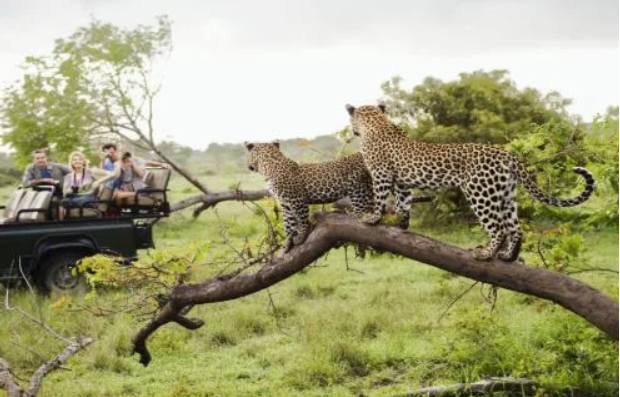

Tanzania is one of Africa’s most celebrated safari destinations — home to the Serengeti, the Ngorongoro Crater, Kilimanjaro, and some of the most diverse wildlife on the planet. But what truly separates an unforgettable safari from an average one isn’t just the destination. It’s who takes you there.
Choosing the best safari in Tanzania with a local operator is one of the smartest decisions any traveler can make. Local operators bring insider knowledge, cultural authenticity, community connections, and personalized service that international tour companies simply cannot replicate. This guide explores everything you need to know before booking your Tanzania safari with a local expert.
Why Tanzania Remains Africa’s Premier Safari Destination
Tanzania consistently ranks among the world’s top wildlife destinations, and for good reason. The country is home to:
- The Serengeti National Park — covering over 14,750 square kilometers of open savannah and the stage for the Great Wildebeest Migration, one of nature’s most spectacular events.
- Ngorongoro Conservation Area — a UNESCO World Heritage Site and the world’s largest intact volcanic caldera, sheltering a self-contained ecosystem with the densest concentration of lions in Africa.
- Tarangire National Park — famous for its towering baobab trees and massive elephant herds, especially during the dry season.
- Lake Manyara National Park — known for its tree-climbing lions, pink flamingo-lined shores, and lush groundwater forests.
- Selous Game Reserve (Nyerere National Park) — one of the largest protected areas in the world, offering remote walking safaris and boat excursions.
- Ruaha National Park — a hidden gem for off-the-beaten-path travelers seeking solitude and abundant big cat sightings.
Tanzania also offers unique experiences beyond wildlife: Zanzibar’s spice-scented beaches, Mafia Island’s pristine coral reefs, and the towering slopes of Mount Kilimanjaro.
The Real Advantage of Booking with a Local Operator
1. Unmatched Local Knowledge
A local Tanzanian operator has grown up with the land. Guides who are born and raised near the Serengeti know the seasonal patterns of animal movement, the hidden watering holes, and the quiet corners of the park that international operators never see. This translates into extraordinary wildlife sightings — the kind that don’t make it into brochures.
2. Genuine Cultural Immersion
Tanzania is home to over 120 ethnic groups. A local operator can arrange authentic visits to Maasai bomas, Hadzabe bushmen communities, or Chagga cultural homesteads — experiences that go far beyond staged performances. You experience real life, told by people who actually live it.
3. Better Value for Money
Booking directly with a local Tanzanian operator eliminates the costly middleman markup that international travel agencies charge. The savings are significant — often 20 to 40 percent — and you get a more customized itinerary in return.
4. Supporting Local Economies
When you book with a local company, your money stays in Tanzania. It pays Tanzanian guides, cooks, camp staff, and drivers. It supports local conservation efforts and community development projects. Safari tourism is one of Tanzania’s largest economic pillars, and local operators are the heartbeat of it.
5. Flexible and Personalized Itineraries
Local operators are agile. They can adjust your itinerary based on real-time wildlife reports, weather conditions, or your personal preferences — something rigid international packages cannot offer. Want to extend your time in Ruaha because a cheetah was spotted? A local operator makes it happen.
Top Safari Circuits in Tanzania
The Northern Circuit
The Northern Circuit is Tanzania’s most iconic safari route and the ideal starting point for first-time visitors.
Key parks: Serengeti, Ngorongoro Crater, Tarangire, Lake Manyara Best time to visit: June to October (dry season) for general wildlife; January to March for calving season in the southern Serengeti; July to September for the river crossings in the northern Serengeti.
A well-planned Northern Circuit safari with a local operator typically runs 7 to 10 days and can be combined with a cultural visit to Arusha or a short beach escape to Zanzibar.
The Southern Circuit
Less visited but extraordinarily rewarding, the Southern Circuit offers a more exclusive, wilderness-focused experience.
Key parks: Nyerere (Selous) National Park, Ruaha National Park, Mikumi National Park Best time to visit: June to October
Southern Tanzania is the place for walking safaris, boat safaris, and fly camping. Wildlife densities are lower than the north, but the chances of having a sighting entirely to yourself are far higher.
The Western Circuit
For the truly adventurous traveler, western Tanzania delivers one of Africa’s most extraordinary primate experiences.
Key parks: Gombe National Park, Mahale Mountains National Park Best for: Chimpanzee trekking Best time to visit: July to October
Gombe is where Jane Goodall conducted her legendary chimpanzee research. Mahale offers the rare experience of trekking wild chimps in a remote, mountainous forest on the shores of Lake Tanganyika. A local operator with Western Circuit expertise is essential here — logistics are complex and access requires careful planning.
What to Look for in a Local Tanzanian Safari Operator
Not all local operators are equal. Here’s how to identify the best:
Licensing and registration: Ensure the operator is registered with the Tanzania Tourism Confederation (TTC) and the Tanzania Association of Tour Operators (TATO).
Guide qualifications: Your guide should hold a professional wildlife guide certification from the College of African Wildlife Management (Mweka). Ask specifically about your guide’s background and specializations.
Vehicle quality: Look for pop-top 4WD vehicles (typically Toyota Land Cruisers) with a maximum of six passengers. Overcrowded game drive vehicles diminish the experience and limit sightings.
Conservation commitment: The best local operators practice Leave No Trace camping, support anti-poaching initiatives, and contribute a percentage of revenue to local community programs.
Client reviews: Check Google reviews, TripAdvisor, and independent safari forums. Genuine traveler feedback is your most reliable indicator of service quality.
Transparency on costs: Reputable operators provide clear, itemized quotes that distinguish park fees, accommodation, guide fees, and meals. Hidden costs are a red flag.
Sample 7-Day Tanzania Safari Itinerary with a Local Operator
Day 1: Arrive in Arusha. Transfer to lodge. Evening briefing with your guide. Day 2: Depart for Tarangire National Park. Full-day game drive. Overnight tent camp. Day 3: Morning game drive in Tarangire. Afternoon transfer to Lake Manyara. Sunset game drive. Day 4: Morning descent into the Ngorongoro Crater. Full-day safari in the crater floor. Overnight crater rim lodge. Day 5: Transfer to the central Serengeti. Afternoon game drive. Overnight luxury tented camp. Day 6: Full-day Serengeti game drive. Sundowners drink on the plains. Overnight in camp. Day 7: Morning game drive. Transfer to Arusha for departure or onward to Zanzibar.
Best Time to Visit Tanzania for a Safari
| Month | Serengeti Highlight | Conditions |
| January – March | Calving season (southern Serengeti) | Short rains, lush |
| June – July | Migration in central Serengeti | Dry, cool |
| July – September | River crossings (Mara River) | Peak season |
| October – November | Migration returns south | Light rains |
| December | Wildebeest in southern Serengeti | Start of green season |
The dry season (June to October) is the most popular time for safaris due to excellent wildlife visibility and comfortable temperatures. However, the green season (November to May) offers lower prices, fewer tourists, and stunning scenery.
Conclusion
Tanzania is one of those rare places on earth where nature still performs on a grand, unhurried scale — where lions yawn in the morning sun, elephants cross the savannah in slow procession, and the Milky Way blazes overhead from your tented camp. But experiencing all of this at its fullest requires the right guide, the right vehicle, and the right local knowledge.
Booking the best safari in Tanzania with a local operator is not just a logistical choice — it’s an ethical one. It enriches your journey, keeps money within the communities that depend on tourism, and supports the conservation of the ecosystems that make Tanzania what it is.
Whether you are drawn to the great migration in the Serengeti, the timeless caldera of Ngorongoro, or the wild silence of Ruaha, there is a Tanzanian local operator who knows every track, every watering hole, and every story the land has to tell. Let them show it to you.
Key Takeaways
- Tanzania is Africa’s most iconic safari destination, home to the Serengeti, Ngorongoro Crater, and the Great Wildebeest Migration.
- Local operators offer superior value, insider knowledge, flexibility, and authentic cultural experiences compared to international agencies.
- The Northern Circuit (Serengeti, Ngorongoro, Tarangire, Lake Manyara) is ideal for first-time visitors.
- The Southern and Western Circuits offer more exclusive, off-the-beaten-path experiences including walking safaris and chimpanzee trekking.
- The best time for safaris is June to October (dry season), though green season offers lower rates and fewer crowds.
- Always verify your operator’s TATO/TTC registration, guide certification, vehicle quality, and conservation credentials before booking.
- Booking locally directly supports Tanzanian communities, conservation programs, and sustainable tourism practices.
Frequently Asked Questions (FAQ)
Q1: How much does a safari in Tanzania with a local operator cost? Costs vary by duration, accommodation level, and circuit. Budget safaris typically range from $150 to $250 per person per day, mid-range from $300 to $500, and luxury safaris from $600 to $1,500 or more. Booking directly with a local operator saves 20 to 40 percent compared to international bookings.
Q2: Is Tanzania safe for safari travel? Tanzania is considered one of Africa’s safer safari destinations. The national parks are well-managed and professionally staffed. Standard precautions apply: use reputable operators, follow your guide’s instructions at all times, and ensure you have comprehensive travel insurance.
Q3: Do I need a visa to visit Tanzania? Most nationalities require a visa to enter Tanzania. Many travelers can obtain a visa on arrival or apply for an e-Visa online through the Tanzania Immigration Services portal before departure. Always check your country’s current requirements.
Q4: What vaccinations are required for Tanzania? Yellow fever vaccination is required if you are arriving from a yellow fever-endemic country. Additional recommended vaccinations include typhoid, hepatitis A and B, and rabies for extended stays. Malaria prophylaxis is strongly recommended for all safari destinations in Tanzania. Consult your travel health clinic at least six weeks before departure.
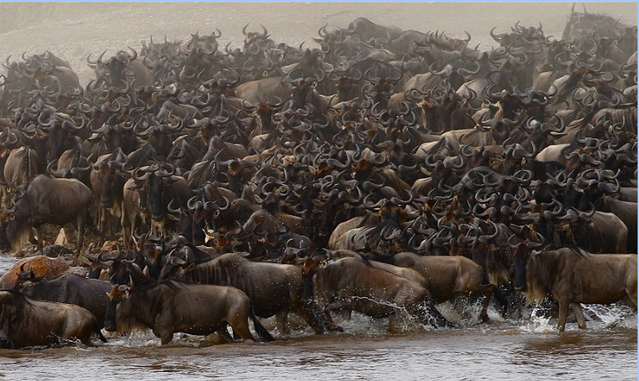
Q5: What is the Great Wildebeest Migration? The Great Wildebeest Migration is the annual movement of over 1.5 million wildebeest, accompanied by hundreds of thousands of zebras and gazelles, across the Serengeti–Mara ecosystem in search of fresh grazing. The dramatic Mara River crossings — where herds plunge into crocodile-filled waters — typically occur between July and September in the northern Serengeti.
Q6: Can I combine a Tanzania safari with Zanzibar? Absolutely. Combining a Northern Circuit safari with a beach stay in Zanzibar is one of the most popular itineraries in East Africa. Flights between Arusha (Kilimanjaro Airport) and Zanzibar operate daily, and most local operators can arrange the full package seamlessly.
Q7: What should I pack for a Tanzania safari? Essential items include neutral-colored clothing (khaki, olive, beige), a lightweight fleece or jacket for cool mornings, a wide-brimmed hat, high-SPF sunscreen, insect repellent, binoculars, a dust-proof camera bag, and comfortable closed-toe shoes. Avoid bright colors and white, which attract insects and can disturb wildlife.
Q8: How far in advance should I book my Tanzania safari? For peak season (June to October), booking 6 to 12 months in advance is strongly recommended, especially for popular camps and lodges. For the green season or last-minute travel, 2 to 3 months’ notice is often sufficient, though availability with top local operators can still be limited.