
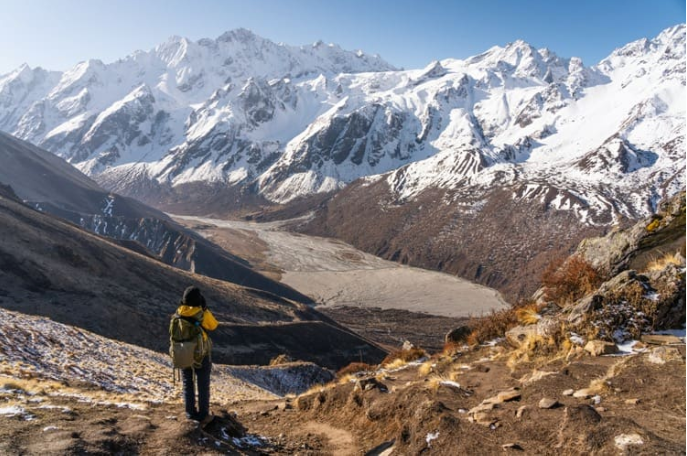

The Langtang Valley Trek is one of Nepal’s most rewarding Himalayan adventures, offering an excellent combination of mountain scenery, traditional villages, beautiful forests, and authentic local culture. Located north of Kathmandu near the Tibetan border, Langtang provides a peaceful trekking experience without requiring the extended time commitment of some of Nepal’s longer Himalayan routes.
The trail passes through lush forests, terraced hillsides, Tamang villages, alpine meadows, and dramatic mountain landscapes. As trekkers move deeper into the valley, the scenery becomes increasingly spectacular, with snow-covered peaks and glaciers surrounding the route.
A carefully planned Langtang Valley Trek Itinerary is important for making the journey comfortable and enjoyable. The itinerary should allow enough time for walking, rest, exploration, and adjustment to increasing altitude.
Why Choose the Langtang Valley Trek?
The Langtang Valley Trek is an excellent option for travelers who want to experience the Himalayas while also discovering the culture and lifestyle of local mountain communities.
One of the route’s biggest advantages is its accessibility from Kathmandu. Despite being relatively close to the capital, the trek quickly takes you into peaceful mountain landscapes.
Some of the major highlights include:
- Spectacular views of Langtang Lirung
- Traditional Tamang and Sherpa villages
- Rhododendron, bamboo, and pine forests
- Beautiful mountain streams and waterfalls
- Kyanjin Gompa
- Kyanjin Ri viewpoint
- Tserko Ri viewpoint
- Glacial landscapes
- Himalayan wildlife and natural scenery
- Authentic local culture and hospitality
Langtang Valley Trek Itinerary
A typical Langtang Valley Trek Itinerary takes around 7 to 10 days, depending on the starting point, walking pace, transportation, and optional hikes.
The following itinerary provides a comfortable approach for travelers who want to enjoy the journey without rushing.
Day 1: Kathmandu to Syabrubesi
Your Langtang adventure begins with a scenic drive from Kathmandu toward Syabrubesi, the main gateway to the Langtang Valley.
The journey takes you through hills, rivers, terraced farmland, and small settlements. The road can be winding and uneven in some sections, but the changing scenery makes the trip worthwhile.
After arriving in Syabrubesi, you can rest and prepare for the first day of trekking.
Overnight: Syabrubesi
Day 2: Syabrubesi to Lama Hotel
The actual trekking begins today.
The trail follows the river through forests filled with oak, rhododendron, bamboo, and other vegetation. You will cross several streams and gradually gain elevation.
The route includes a mixture of uphill sections and more gradual stretches before reaching Lama Hotel.
Overnight: Lama Hotel
Day 3: Lama Hotel to Langtang Village
The trail continues through beautiful forested terrain as the valley gradually opens up.
As you climb higher, the surrounding mountains become increasingly visible. You pass through small settlements and eventually reach Langtang Village, an important cultural and historical settlement in the region.
The changing landscape makes this one of the most enjoyable sections of the trek.
Overnight: Langtang Village
Day 4: Langtang Village to Kyanjin Gompa
Today is one of the highlights of the Langtang Valley Trek.
The trail continues toward Kyanjin Gompa, passing through alpine landscapes and traditional settlements. As the elevation increases, the vegetation becomes less dense and the surrounding Himalayan peaks become more prominent.
After reaching Kyanjin Gompa, take time to explore the village and enjoy the spectacular mountain scenery.
Overnight: Kyanjin Gompa
Day 5: Exploration Day at Kyanjin Gompa
An additional day at Kyanjin Gompa is highly recommended.
Rather than simply resting, many trekkers use this day to explore nearby viewpoints. Depending on your fitness and weather conditions, you can hike toward Kyanjin Ri or Tserko Ri.
These viewpoints offer impressive panoramic views of the surrounding Himalayan peaks, glaciers, and valleys.
Spending an extra day at this elevation also gives your body more time to adjust before beginning the descent.
Overnight: Kyanjin Gompa
Day 6: Kyanjin Gompa to Lama Hotel
After enjoying the mountain scenery, begin your descent toward Lama Hotel.
The route largely follows the same valley, but descending offers a completely different perspective of the landscape.
The lower elevation and decreasing altitude generally make the physical demands easier, although long downhill sections can still be tiring.
Overnight: Lama Hotel
Day 7: Lama Hotel to Syabrubesi
Continue descending through the forest toward Syabrubesi.
This final trekking section allows you to enjoy the forest scenery and mountain villages one more time before completing the main trekking route.
Once you arrive in Syabrubesi, you can relax and prepare for your journey back to Kathmandu.
Overnight: Syabrubesi
Day 8: Syabrubesi to Kathmandu
After breakfast, travel by road from Syabrubesi back to Kathmandu.
The drive provides another opportunity to enjoy the changing landscapes of central Nepal.
Once you arrive in Kathmandu, your Langtang Valley adventure comes to an end.
Optional Extension of the Itinerary
The Langtang Valley Trek Itinerary can be extended if you want to spend more time exploring the region.
You may add additional days for:
- Exploring Kyanjin Gompa
- Hiking Kyanjin Ri
- Hiking Tserko Ri
- Photography
- Rest and acclimatization
- Exploring local villages
- Allowing flexibility for weather conditions
Adding an extra day can make the trek more relaxed, especially for travelers who prefer not to rush.
Langtang Valley Trek Difficulty
The Langtang Valley Trek is generally considered a moderate-level trek.
Technical mountaineering experience is not normally required, but trekkers should be prepared for several hours of walking each day. The route includes uphill and downhill sections, uneven trails, stone steps, and increasing altitude.
Regular hiking, stair climbing, cardiovascular exercise, and leg-strengthening activities before the trek can help you prepare.
Your walking pace should be comfortable and consistent rather than focused on speed.
Altitude on the Langtang Valley Trek
Altitude is an important consideration when planning the trek.
Kyanjin Gompa is located at a high elevation, and optional hikes such as Tserko Ri take you even higher. As you climb, reduced oxygen levels can make physical activity more demanding.
Stay hydrated, eat properly, walk at a steady pace, and give your body time to adapt.
If you experience persistent or worsening symptoms associated with altitude, take them seriously and seek appropriate medical assistance. Descending to a lower elevation may be necessary in serious situations.
Best Time for the Langtang Valley Trek
The most popular seasons for the Langtang Valley Trek are generally spring and autumn.
Spring: March to May
Spring brings warmer temperatures and colorful rhododendron blooms. The forests and hillsides can look particularly beautiful during this period.
Autumn: September to November
Autumn is popular because weather conditions are generally favorable, and mountain visibility can be excellent.
Winter: December to February
Winter brings colder temperatures and possible snow at higher elevations. The trails are generally quieter, making this an option for well-prepared trekkers who enjoy peaceful mountain environments.
Monsoon: June to August
Monsoon brings frequent rainfall, muddy trails, and cloudier mountain views. Trekking is possible, but travelers should be prepared for wet and changing conditions.
What to Pack for the Langtang Valley Trek
Packing appropriately is essential for a comfortable journey.
Important items include:
- Comfortable trekking boots
- Warm base layers
- Waterproof jacket
- Insulated jacket
- Trekking trousers
- Warm hat and gloves
- Sleeping bag
- Sunglasses
- Sunscreen
- Trekking poles
- Reusable water bottle
- Headlamp
- Basic first-aid supplies
- Personal medication
- Power bank
- Comfortable backpack
Your clothing and equipment should be adjusted according to the season of your trek.
Accommodation and Food
Accommodation along the Langtang Valley Trek is primarily provided by local tea houses and small lodges.
Facilities are generally basic but comfortable, allowing trekkers to rest after a day on the trail.
Tea houses also provide meals such as dal bhat, noodles, rice, soups, pasta, eggs, and other simple dishes. Food choices can become more limited as you travel toward higher elevations.
Trying local food is also a valuable part of experiencing the region and supporting local communities.
Guide and Porter Services
A guide can be especially useful for first-time trekkers or travelers who want additional assistance with navigation, accommodation, local communication, and trekking logistics.
A porter can carry your main luggage, allowing you to walk with a lighter daypack.
Whether you need these services depends on your experience, preferences, group size, and comfort level.
Key Points to Remember
Before beginning your Langtang Valley Trek, keep these important points in mind:
- A typical Langtang Valley Trek Itinerary takes around 7 to 10 days.
- The exact duration depends on your route, pace, and optional hikes.
- Kyanjin Gompa is one of the major highlights of the trek.
- An additional exploration day at Kyanjin Gompa is highly recommended.
- Kyanjin Ri and Tserko Ri offer excellent panoramic views.
- The trek is generally moderate and does not require technical climbing skills.
- Altitude becomes increasingly important as you approach Kyanjin Gompa.
- Spring and autumn are generally the most popular trekking seasons.
- Proper footwear and layered clothing are essential.
- Keep some flexibility in your schedule for weather and road conditions.
- A steady pace is more important than trying to complete each section quickly.
- Respect local culture, communities, wildlife, and the natural environment.
Conclusion
The Langtang Valley Trek is a remarkable Himalayan journey that combines spectacular mountain scenery, peaceful forests, traditional villages, and authentic cultural experiences. Its convenient access from Kathmandu makes it an appealing choice for travelers who want to explore the Himalayas without spending several weeks on the trail.
A well-planned Langtang Valley Trek Itinerary allows you to experience the region at a comfortable pace while giving your body enough time to adapt to increasing altitude. The journey through Lama Hotel and Langtang Village to Kyanjin Gompa is filled with changing landscapes, while an additional exploration day provides the opportunity to discover some of the region’s impressive viewpoints.
With proper physical preparation, suitable equipment, a sensible itinerary, and the right trekking season, the Langtang Valley Trek can be an unforgettable adventure. More than simply reaching a destination, the trek offers the chance to experience Nepal’s mountains, communities, culture, and natural beauty along every stage of the journey.