
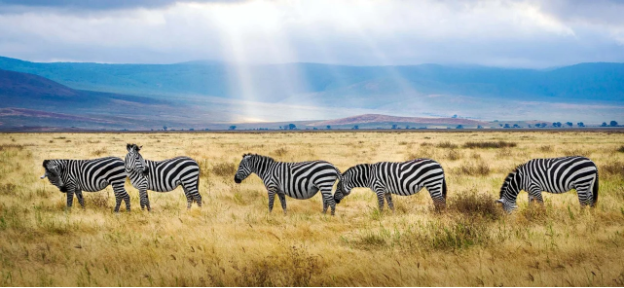

Tanzania stands as Africa’s ultimate wildlife destination, offering visitors access to some of the continent’s most spectacular natural phenomena and densest concentrations of iconic animals. From the endless plains of the Serengeti witnessing the Great Migration to the wildlife-packed Ngorongoro Crater, from Tarangire’s elephant herds to the pristine wilderness of Selous, a wildlife tour Tanzania delivers transformative experiences that define African safari dreams.
This East African nation protects approximately 40% of its landmass in national parks, game reserves, and conservation areas—an extraordinary commitment to wildlife preservation unmatched globally. This dedication ensures Tanzania’s ecosystems remain largely intact, supporting thriving populations of elephants, lions, leopards, buffalo, rhinos, and countless other species. For travelers seeking authentic wilderness experiences where nature’s ancient rhythms continue uninterrupted, Tanzania offers unparalleled opportunities to witness Africa as it has existed for millennia.
Why Tanzania Leads in Wildlife Tourism
Tanzania’s supremacy in African wildlife tourism stems from multiple compelling factors. The Serengeti ecosystem hosts the world’s largest terrestrial mammal migration—over two million wildebeest, accompanied by hundreds of thousands of zebras and gazelles, undertake their annual circular journey following seasonal rains and fresh grazing. This natural spectacle, often called Earth’s greatest wildlife show, occurs nowhere else with such magnitude and drama.
Wildlife density in Tanzania’s premier destinations exceeds most African competitors. Ngorongoro Crater, the world’s largest intact volcanic caldera, contains approximately 25,000 large mammals within its 260-square-kilometer floor—creating wildlife concentrations rivaling any location globally. The crater’s enclosed nature and permanent water sources support year-round resident populations including rare black rhinos, massive-tusked elephants, and Africa’s densest lion populations.
Ecosystem diversity ensures Tanzania wildlife tours showcase varied habitats and species assemblages. The northern circuit alone encompasses Serengeti’s grasslands, Ngorongoro’s highlands, Tarangire’s baobab woodlands, Lake Manyara’s groundwater forests, and Arusha’s montane environments—each supporting distinct wildlife communities. Southern Tanzania’s Selous Game Reserve and Ruaha National Park offer completely different experiences with riverine ecosystems, miombo woodlands, and lower tourist densities creating exclusive wilderness encounters.
Infrastructure supporting wildlife tourism in Tanzania has matured significantly while maintaining authenticity. Quality lodges and tented camps provide comfortable bases near prime wildlife areas without excessive development destroying the wilderness character visitors seek. Experienced guides with deep ecological knowledge enhance wildlife viewing through expert tracking, behavior interpretation, and positioning for optimal sightings.
Premier Wildlife Tour Destinations in Tanzania
Serengeti National Park
The Serengeti needs little introduction among wildlife enthusiasts. This 14,750-square-kilometer park protects Africa’s most intact large mammal ecosystem. The annual Great Migration dominates most visitors’ motivations, with timing dictating where herds concentrate—southern plains (December-March for calving), western corridor (May-July for river crossings), northern Serengeti (August-October for Mara River crossings).
Beyond migration spectacles, the Serengeti supports exceptional resident wildlife. Lion populations rank among Africa’s highest, with numerous prides occupying distinct territories. Leopards frequent kopjes (rocky outcrops) and riverine trees, while cheetahs hunt across open plains. Elephants, buffalos, giraffes, and diverse antelope species ensure outstanding game viewing year-round regardless of migration timing. Over 500 bird species add avian diversity to mammal encounters.
Ngorongoro Conservation Area
The Ngorongoro Crater represents Tanzania’s most unique wildlife destination. This massive caldera, formed by volcanic collapse millions of years ago, creates a natural amphitheater where extraordinary wildlife density concentrates year-round. The crater’s 600-meter walls encircle permanent springs and grasslands supporting approximately 25,000 large mammals including elephants, black rhinos (one of Africa’s best viewing locations), buffalos, hippos, and dense predator populations.
The crater floor’s compact nature means single game drives often produce sightings of the Big Five within hours—an achievement requiring days or weeks in other destinations. The dramatic setting—descending into the caldera at dawn as mist rises and wildlife emerges—creates unforgettable atmospheric experiences. The surrounding Ngorongoro highlands and forests support different species including mountain reedbucks and various forest specialists.
 Tarangire National Park
Often underestimated relative to Serengeti and Ngorongoro, Tarangire delivers outstanding wildlife experiences, particularly during dry season (June-October) when animals concentrate around the Tarangire River. The park hosts Tanzania’s largest elephant populations, with herds numbering hundreds moving between river and woodlands. Ancient baobab trees, some over 1,000 years old, create iconic African scenery.
Tarangire’s diversity extends beyond elephants. The park supports healthy predator populations including lions, leopards, and cheetahs. Tree-climbing lions occasionally spotted here provide rare photographic opportunities. Over 550 bird species make Tarangire exceptional for birding alongside mammal viewing. The park’s relative accessibility from Arusha and lower visitor numbers compared to Serengeti create quality experiences without excessive crowds.
Lake Manyara National Park
This compact park, nestled between the Great Rift Valley’s western escarpment and Lake Manyara’s shores, packs remarkable diversity into limited space. The groundwater forest hosts tree-climbing lions—unusual behavior seen regularly here. Elephants, buffalos, giraffes, zebras, and various antelope species inhabit the park, while lake shores attract hippos, flamingos (numbers fluctuate), pelicans, and numerous waterbirds.
Lake Manyara’s accessibility makes it ideal for day trips or as part of northern circuit itineraries. The dramatic escarpment backdrop creates stunning photographic conditions. Despite its small size, Manyara’s habitat diversity—from forest to grassland, lake shore to escarpment woodlands—supports over 400 bird species and varied mammals.
Selous Game Reserve (Nyerere National Park)
Southern Tanzania’s Selous Game Reserve, recently renamed Nyerere National Park for its northern section, represents Africa’s largest protected wildlife area. The reserve’s immense size (larger than Switzerland) and lower tourist numbers create authentic wilderness experiences unavailable in busier northern parks. The Rufiji River and its tributaries create aquatic habitats supporting massive hippo and crocodile populations.
Selous offers activities unavailable in northern parks, including boat safaris providing unique wildlife viewing perspectives, walking safaris for intimate ground-level encounters, and fly camping experiences in remote wilderness areas. Wildlife populations, while lower density than northern parks, include all the Big Five plus endangered African wild dogs. The reserve’s remoteness and exclusivity appeal to travelers seeking genuine wilderness adventures.
Ruaha National Park
Tanzania’s largest national park protects spectacular wilderness in the southern highlands. Ruaha’s remoteness ensures low visitor numbers despite outstanding wildlife viewing. The park hosts Tanzania’s largest elephant population, with herds often numbering in the hundreds. Lion populations rank among Africa’s highest, with unique prides adapted to challenging environments.
Ruaha’s Great Ruaha River serves as a wildlife magnet during dry season, creating reliable viewing locations. The park’s miombo woodland and baobab-studded landscapes provide different scenery from northern grasslands. Leopards, cheetahs, wild dogs, and over 570 bird species ensure comprehensive wildlife experiences for those willing to invest time reaching this remote gem.
Types of Wildlife Tour Experiences
Classic Game Drive Safaris
Traditional vehicle-based game drives remain the foundation of Tanzania wildlife tours. These expeditions use specially modified 4×4 Land Cruisers or Land Rovers with pop-up roofs allowing standing observation and photography. Experienced guides track wildlife, share ecological knowledge, and position vehicles for optimal viewing while maintaining safe distances respecting animal welfare.
Game drives typically occur during cooler morning and evening hours when animal activity peaks. Full-day drives with picnic lunches allow covering greater distances and remaining flexible when exceptional sightings develop. Night drives, available in some areas outside national parks, reveal nocturnal species invisible during daylight.
Walking Safaris
Walking safaris offer profoundly different experiences from vehicle-based viewing. Accompanied by armed rangers, participants track wildlife on foot, learning about smaller creatures, plants, animal signs, and ecological interconnections usually overlooked from vehicles. The heightened awareness and physical engagement create intimate wilderness connections.
 Walking safaris range from short morning walks near camps to multi-day trekking expeditions in remote areas. Selous and Ruaha particularly excel for walking safaris, offering extensive wilderness areas where this activity safely occurs. Walking requires moderate fitness but rewards participants with authentic bush experiences and perspectives impossible from vehicles.
Boat Safaris
Boat-based wildlife viewing, primarily available in Selous along the Rufiji River, provides unique perspectives on aquatic species and riverine wildlife. Hippos, crocodiles, and waterbirds appear at close range from boats. Elephants, buffalos, and various antelope species visit riverbanks to drink, allowing observations from different angles than land-based viewing.
Boat safaris operate morning and evening during optimal light conditions. The quiet approach possible in boats allows closer wildlife encounters without disturbance. Photographers appreciate lower shooting angles and unique compositions impossible from elevated vehicle positions.
Fly-In Safaris
Fly-in safaris use light aircraft to transfer between camps and parks, maximizing wildlife viewing time while minimizing travel on rough roads. These premium experiences allow visiting distant locations—perhaps combining northern circuit parks with southern Selous or Ruaha—within limited timeframes. Aerial perspectives reveal landscapes’ scale and wildlife distributions.
Fly-in safaris represent luxury options commanding higher prices but delivering superior experiences for travelers valuing comfort and time efficiency. The absence of long overland drives means arriving at camps refreshed and ready for game activities rather than exhausted from travel.
Balloon Safaris
Hot air balloon safaris over the Serengeti provide unforgettable perspectives on wildlife and landscapes. Floating silently above the plains at sunrise, passengers witness herds from aerial viewpoints while experiencing the ecosystem’s vast scale. Balloons drift over wildlife without disturbance, allowing unique observations. Flights conclude with champagne breakfasts in the bush, celebrating extraordinary experiences.
Planning Your Wildlife Tour Tanzania
Determining Optimal Duration
Minimum wildlife tour durations of 5-7 days allow visiting 2-3 northern circuit parks with adequate time for quality wildlife viewing. Popular itineraries combine Serengeti, Ngorongoro Crater, and either Tarangire or Lake Manyara, providing comprehensive northern Tanzania wildlife experiences.
Ideal tours span 10-14 days, permitting more thorough exploration of northern parks or combining northern and southern circuits. Extended itineraries allow witnessing varied ecosystems, wildlife populations, and safari experiences from game drives to walking and boat safaris. Serious wildlife enthusiasts benefit from longer stays allowing deeper engagement with specific locations and behaviors rather than superficial touring.
Timing Your Wildlife Tour
Tanzania offers excellent wildlife viewing year-round with seasonal variations affecting animal distributions and behaviors. Dry season (June-October) provides optimal conditions in most parks—animals concentrate around water sources, vegetation thins improving visibility, and roads remain passable. This period sees highest tourist numbers and premium pricing, particularly in Serengeti during migration river crossings (July-September).
Wet season (November-May) brings different advantages: dramatically lower prices, fewer tourists, lush green landscapes, newborn animals attracting predators, and excellent bird watching as Palearctic migrants arrive. The Serengeti’s southern plains (December-March) host calving season when hundreds of thousands of wildebeest give birth, creating predator feeding frenzies. Roads become challenging during heavy rains (April-May), though main routes remain accessible with 4×4 vehicles.
Selecting Tour Operators
Choose reputable operators with proven Tanzania experience, verified through online reviews from recent clients, membership in professional associations like TATO (Tanzania Association of Tour Operators), and transparent pricing showing clear inclusions versus exclusions. Quality operators employ experienced guides with extensive wildlife knowledge, maintain well-serviced vehicles ensuring reliability and safety, and demonstrate conservation commitments through responsible tourism practices.
Evaluate sample itineraries for realistic pacing—rushed schedules attempting too many destinations reduce wildlife time as travel increases. Quality operators allocate adequate days in each location allowing thorough exploration. Clarify vehicle policies, particularly regarding window seats and roof hatch access critical for photography and viewing.
Accommodation Options
Tanzania wildlife tours offer accommodations ranging from basic camping to ultra-luxury lodges. Budget camping safaris use public campsites and simple facilities, significantly reducing costs while maintaining access to prime wildlife areas. Mid-range lodges and permanent tented camps provide comfortable rooms, quality meals, and good amenities balancing cost and comfort.
Luxury lodges and exclusive tented camps offer exceptional service, spacious accommodations, gourmet dining, and premium locations. Some occupy private concessions adjacent to parks, providing exclusive wildlife viewing without crowds. Accommodation choice significantly affects tour costs—budget carefully based on priorities regarding comfort versus wildlife experiences.
Budgeting Considerations
Wildlife tour costs vary tremendously based on accommodation standards, group size, and season. Budget camping tours start around $200-300 per person daily for group departures. Mid-range tours cost $350-600 daily using comfortable lodges. Luxury tours exceed $800-1,500+ daily with exclusive camps and private guides.
These rates typically include accommodation, meals, park fees, game drives, and guide services but exclude international flights ($1,000-2,000+ from Europe/US), tips ($15-25 daily per guide, $10 daily per camp staff), visas ($50-100), and personal expenses. A typical 7-day mid-range northern circuit safari costs $2,500-4,200 per person excluding flights.
Conservation and Responsible Tourism
Tanzania’s wildlife faces conservation challenges including habitat loss from human population growth, human-wildlife conflict as settlements expand near protected areas, poaching pressures particularly affecting elephants and rhinos, and climate change affecting water availability and ecosystem dynamics.
Wildlife tourism contributes critically to conservation through park fees funding protection and anti-poaching efforts, employment creating economic value for wildlife preservation, demonstrating conservation’s economic benefits to governments and communities, and raising international awareness about conservation needs.
Responsible tourism practices include respecting minimum distance regulations protecting animal welfare, following park rules including staying on designated roads, minimizing environmental impacts through waste reduction and water conservation, supporting community-based tourism initiatives, and choosing operators demonstrating genuine conservation commitments rather than greenwashing.
Conclusion
A wildlife tour Tanzania delivers extraordinary experiences showcasing Africa’s natural heritage at its most spectacular. From the Serengeti’s endless plains teeming with migrating herds to Ngorongoro Crater’s concentrated wildlife populations, from Tarangire’s elephant gatherings to Selous’s remote wilderness, Tanzania offers wildlife encounters exceeding imagination.
The country’s exceptional biodiversity, varied ecosystems, commitment to conservation, and well-developed tourism infrastructure create ideal conditions for transformative safari experiences. Whether witnessing your first African sunset over wildlife-filled plains, photographing predators on the hunt, or observing complex animal behaviors revealing nature’s intricacies, Tanzania provides stages for unforgettable wildlife theater.
Beyond personal fulfillment, wildlife tours Tanzania contribute meaningfully to conservation efforts protecting irreplaceable ecosystems and species. Tourism revenue justifies habitat preservation against competing land uses, employs thousands supporting families and communities, and demonstrates wildlife’s economic value. Your safari participation directly supports these conservation outcomes.
As you plan your Tanzania wildlife tour, approach it as more than vacation—embrace it as immersion in Earth’s greatest natural spectacles, opportunities for profound connections with nature, and contributions to ensuring these wild places and magnificent creatures survive for future generations. Tanzania’s wildlife awaits, ready to transform your understanding of nature’s power, beauty, and fragility.
Key Takeaways
- Tanzania protects approximately 40% of its landmass in conservation areas, supporting thriving populations of the Big Five and hosting the world’s largest terrestrial mammal migration
- Premier destinations include Serengeti (Great Migration and resident predators), Ngorongoro Crater (25,000 mammals in enclosed caldera), Tarangire (massive elephant herds), and southern parks Selous and Ruaha (remote wilderness)
- Wildlife tour styles range from classic game drives to walking safaris, boat safaris in Selous, balloon safaris over Serengeti, and fly-in expeditions combining multiple distant locations
- Optimal tour duration spans 5-7 days minimum for northern circuit highlights, with 10-14 days ideal for comprehensive experiences combining multiple parks and safari activities
- Dry season (June-October) offers concentrated wildlife, easier travel, and Great Migration river crossings, while wet season provides lower prices, fewer crowds, lush landscapes, and calving season drama
- Costs range from $200-300 daily for budget camping safaris to $350-600 for mid-range tours and $800-1,500+ for luxury experiences, typically including accommodation, meals, park fees, and guides
- The Great Migration follows seasonal patterns: southern Serengeti (December-March for calving), western corridor (May-July for Grumeti crossing), northern Serengeti (August-October for Mara River crossings)
- Responsible tourism directly supports conservation through park fees funding protection, employment creating economic incentives for preservation, and demonstrating wildlife’s value to governments and communities
Frequently Asked Questions
What is the best time for a wildlife tour Tanzania?
Tanzania offers excellent wildlife viewing year-round with seasonal advantages. June-October dry season provides concentrated wildlife around water sources, easier travel on dry roads, and Great Migration river crossings in northern Serengeti (July-September). December-March features calving season in southern Serengeti when hundreds of thousands of wildebeest give birth, attracting predators. January-February offers beautiful weather, green landscapes, and fewer tourists than peak season. Wet season (April-May and November) brings dramatically lower prices, lush scenery, newborn animals, and excellent birding though some roads become challenging. Choose based on priorities—migration timing, weather preferences, budget constraints, or crowd avoidance.
How much does a wildlife tour Tanzania cost?
Costs vary significantly based on accommodation standards, group size, season, and itinerary. Budget camping safaris cost approximately $200-300 per person daily using basic campsites and group departures (6-8 participants). Mid-range tours run $350-600 daily with comfortable lodges and smaller groups. Luxury private safaris exceed $800-1,500+ daily featuring exclusive camps, private guides, and premium vehicles. These rates typically include accommodation, meals, park fees, game drives, and guide services but exclude international flights ($1,000-2,000+ from Europe/US), tips ($15-25 daily for guides), visas ($50-100), and personal expenses. A typical 7-day northern circuit mid-range safari costs $2,500-4,200 per person excluding flights, while luxury equivalents run $6,000-10,000+.
Is Tanzania or Kenya better for wildlife tours?
Both countries offer exceptional wildlife experiences with different strengths. Tanzania excels for the Great Migration’s most dramatic river crossings, Ngorongoro Crater’s unique enclosed ecosystem, larger parks with lower tourist densities, and remote southern wilderness (Selous, Ruaha). Kenya provides easier accessibility with shorter distances between parks, better-developed infrastructure, more tour operator choices, and year-round Maasai Mara wildlife concentrations. Tanzania generally feels more pristine and less crowded, while Kenya offers logistical convenience. Serious wildlife enthusiasts often visit both countries, as each offers unique experiences. Choose Tanzania for migration river crossings, wilderness immersion, and Ngorongoro; Kenya for accessibility, diverse habitats in compact areas, and consistent year-round viewing.
Can I see the Great Migration on any Tanzania wildlife tour?
The Great Migration occurs year-round but in different locations following seasonal rainfall and grass growth. Timing determines whether you’ll witness it: southern Serengeti (December-March) for calving, western corridor (May-July) for Grumeti River crossings, northern Serengeti (August-October) for Mara River crossings into Kenya. Tours specifically timed and located for migration offer good odds of witnessing herds, though exact timing varies annually. Even outside migration periods, resident Serengeti wildlife provides exceptional viewing—the park permanently hosts thousands of elephants, buffalos, giraffes, zebras, and dense predator populations. Clarify migration expectations with operators during booking to ensure itineraries align with timing and locations for witnessing specific migration events.
What wildlife can I expect to see in Tanzania?
Tanzania wildlife tours typically yield excellent sightings of diverse species. The Big Five (lion, leopard, elephant, buffalo, rhino) can all be seen, with Ngorongoro Crater offering best rhino opportunities. Expect abundant plains game including zebras, wildebeest, various antelope species (impala, gazelles, topi, eland, waterbuck), giraffes, hippos, warthogs, and baboons. Predators beyond the Big Five include cheetahs, hyenas, jackals, and occasionally African wild dogs (Selous and Ruaha). Over 1,100 bird species inhabit Tanzania. Specific species depend on parks visited and season. Wildlife viewing involves wild animals following natural patterns—sightings can’t be guaranteed, though Tanzania’s healthy populations ensure excellent overall wildlife experiences.
How safe are wildlife tours in Tanzania?
Wildlife tours in Tanzania are generally very safe when using reputable operators and following guidelines. Tourist areas and national parks maintain good security, with incidents involving tourists rare. Vehicle-based game viewing provides safe separation from dangerous animals. Experienced guides manage potential risks through proper positioning and behavior around wildlife. Walking safaris include armed rangers. Follow guide instructions regarding wildlife interactions, stay inside vehicles during game drives unless told otherwise, avoid walking alone in wildlife areas, and maintain awareness around camps particularly at night. Choose established operators with proper insurance and safety records. Millions of tourists enjoy safe Tanzania safaris annually—standard precautions ensure problem-free experiences.
Should I book a group or private wildlife tour?
The decision depends on budget, flexibility needs, and social preferences. Group tours (4-8 participants) offer lower per-person costs through shared expenses, opportunities to meet fellow travelers, and pre-arranged logistics reducing planning burden. However, fixed schedules limit flexibility, itineraries accommodate group consensus, and vehicle sharing may compromise photography and viewing angles. Private tours provide complete control over timing and destinations, exclusive guide attention, vehicles configured to preferences, and flexibility adapting to interests and opportunities. Costs run 50-100% higher but deliver personalized experiences. Families, couples, or those with specific wildlife photography goals prefer private options despite premium prices. Solo travelers or budget-conscious visitors benefit from group tour economies.
What should I pack for a Tanzania wildlife tour?
Essential items include neutral-colored lightweight clothing (khaki, olive, tan) avoiding bright colors that disturb wildlife and white that shows dust. Pack layers for temperature variations from cool mornings to hot afternoons, comfortable broken-in walking shoes or boots, wide-brimmed hat, sunglasses, SPF 50+ sunscreen, and insect repellent containing DEET. Bring quality binoculars (8×42 or 10×42), camera with telephoto lens (300-600mm for wildlife photography), extra batteries and memory cards, headlamp for early starts, reusable water bottle, and personal medications. Practical items include dust-proof bags for electronics, basic first aid supplies, and adapters for charging equipment (Tanzania uses British-style plugs). Most lodges provide laundry services allowing light packing. Avoid camouflage patterns (restricted in Tanzania).
Do I need vaccinations and malaria medication for Tanzania?
Yes, health preparations are essential. Yellow fever vaccination is required if arriving from endemic countries (most of Africa and South America) and strongly recommended for all visitors. Routine vaccinations (tetanus, hepatitis A/B, typhoid) should be current. Malaria prophylaxis is essential for safari areas—consult travel medicine specialists about appropriate medications (typically Malarone, Doxycycline, or Mefloquine) 4-6 weeks before departure. Combination prophylaxis with mosquito avoidance (repellent, long sleeves at dawn/dusk, bed nets) provides best protection. Comprehensive travel insurance covering medical evacuation is essential for remote area travel. High-altitude destinations like Ngorongoro highlands are lower malaria risk but protection remains recommended. Regardless of prophylaxis, seek immediate medical attention if fever develops during or after travel.
Can families with children go on Tanzania wildlife tours?
Absolutely. Tanzania welcomes families, with many operators specializing in family-friendly safaris. Most lodges accommodate children, offering family rooms and kid-oriented activities. Some luxury camps maintain minimum age requirements (typically 6-12 years) due to safety concerns in open-sided designs near wildlife. Private vehicles allow flexible schedules accommodating children’s needs including rest times and shorter game drives. The Ngorongoro Crater’s compact area and high wildlife density suits families—shorter drives with reliable sightings maintain children’s interest. Educational programs at many lodges engage children with wildlife and conservation. Tanzania safaris create extraordinary family bonding experiences and instill conservation values. Inform operators about children’s ages during booking to ensure appropriate accommodation and activity selection.