

Embarking on a Tanzania safari tour marks the beginning of an extraordinary adventure where careful planning meets wild unpredictability. These organized expeditions transform the complexity of navigating East Africa’s premier wildlife destinations into structured journeys led by experts who understand animal behavior, optimal viewing locations, and how to maximize every moment in the bush. Whether you’re a first-time safari-goer or returning enthusiast, understanding what makes an exceptional Tanzania safari tour ensures your investment delivers life-changing experiences.
What Defines a Tanzania Safari Tour
A Tanzania safari tour represents a comprehensive, professionally organized journey through the country’s national parks and conservation areas. Unlike independent travel where you handle all logistics, tours provide complete packages including expert guides, appropriate safari vehicles, accommodations ranging from camping to luxury lodges, meals, park permits, and seamless transportation between destinations.
The structured nature of safari tours offers tremendous advantages. Professional guides bring years of experience locating wildlife, interpreting animal behavior, and sharing ecological knowledge that transforms simple sightings into educational encounters. Tours handle complex logistics like park fee payments, accommodation reservations in remote areas, and route planning that optimizes wildlife viewing based on seasonal movements and current conditions.
Anatomy of a Tanzania Safari Tour
The Safari Vehicle Experience
Your Tanzania safari tour vehicle becomes your mobile viewing platform and temporary home during game drives. Purpose-built safari 4x4s, typically Toyota Land Cruisers or Land Rovers, feature pop-up roofs allowing standing for unobstructed 360-degree viewing and photography. These vehicles accommodate four to seven passengers, though quality tours limit numbers ensuring everyone enjoys window seats.
Vehicle condition significantly impacts comfort and reliability. Well-maintained safari vehicles include charging ports for electronic devices, coolers for cold beverages, first aid kits, and proper suspension systems handling rough park roads. The best tours provide each passenger with guaranteed window access rather than middle seats with restricted views.
Professional Guide Expertise
Your guide makes or breaks Tanzania safari tour quality. Expert guides possess deep wildlife knowledge accumulated over thousands of hours in the bush. They identify animal tracks, interpret bird alarm calls signaling predator presence, understand seasonal behavior patterns, and communicate via radio networks with other guides sharing sighting information.
Beyond wildlife expertise, exceptional guides educate about ecosystems, conservation challenges, local cultures, and Tanzania’s natural history. They gauge group interests and energy levels, adjusting pace and focus accordingly. Language skills matter too—while most guides speak excellent English, confirming language capabilities during booking prevents communication difficulties.
Daily Safari Rhythms
Tanzania safari tour days follow natural wildlife activity patterns. Mornings typically begin with wake-up calls around 5:30-6:00 AM, followed by light breakfast or coffee before departing on early game drives. These dawn drives capitalize on cool temperatures when predators remain active and prey animals feed openly before heat intensifies.
Mid-morning returns to accommodations allow breakfast or brunch, followed by afternoon rest periods during the hottest hours when wildlife seeks shade and becomes less active. Late afternoon game drives depart around 3:30-4:00 PM, extending through sunset and into dusk. These evening sessions often produce excellent predator sightings as lions, leopards, and hyenas begin hunting activities.
Full-day game drives with picnic lunches allow deeper penetration into remote park areas where fewer vehicles venture. These extended excursions suit serious wildlife enthusiasts and photographers willing to trade midday rest for increased sighting opportunities.
Popular Tanzania Safari Tour Routes
Classic Northern Circuit Tours
The most popular Tanzania safari tour route follows the northern circuit, typically spanning five to eight days. Standard itineraries include Arusha as starting point, then progress through combinations of Lake Manyara National Park, Tarangire National Park, Ngorongoro Crater, and Serengeti National Park. This circuit maximizes wildlife diversity across varied ecosystems within manageable timeframes.
Lake Manyara offers excellent introduction to Tanzania wildlife with diverse habitats from groundwater forests to alkaline lake shores. Tarangire impresses with massive elephant herds and iconic baobab trees. Ngorongoro Crater concentrates wildlife in a stunning volcanic caldera setting. The Serengeti delivers endless plains teeming with predators and prey, including migration spectacles during appropriate seasons.
Migration-Focused Safari Tours
Specialized Tanzania safari tours time visits to coincide with Great Migration phases. December through March tours focus on southern Serengeti calving grounds where hundreds of thousands of wildebeest give birth, attracting concentrated predator populations. April through June tours track herds moving northwest through central Serengeti.
July through October tours position travelers in northern Serengeti or Kenya’s Maasai Mara for dramatic river crossings where wildebeest plunge into crocodile-infested waters. These migration-specific tours require operators with current movement intelligence and flexibility to adjust positioning based on real-time wildlife locations.
Southern Tanzania Wilderness Tours
Adventurous Tanzania safari tours explore southern regions including Ruaha National Park and Nyerere National Park (formerly Selous Game Reserve). These destinations receive fewer visitors despite exceptional wildlife populations, offering authentic wilderness experiences with minimal tourist presence. Southern tours typically span 7-10 days given longer travel distances from Dar es Salaam or Arusha.
Activities expand beyond standard game drives to include boat safaris along rivers, extensive walking safari options with armed rangers, and fly-camping in remote wilderness locations. These tours appeal to repeat safari-goers seeking new territories and travelers prioritizing solitude over convenience.
Combination Safari Tours
Comprehensive Tanzania safari tours often combine wildlife viewing with complementary experiences. Safari-and-beach combinations pair northern circuit wildlife adventures with Zanzibar archipelago beach relaxation. Typical structures allocate 5-7 days for safari followed by 3-5 beach days, though ratios adjust to preferences.
Some tours incorporate cultural immersion with Maasai communities, Mount Kilimanjaro base trekking for acclimatized hikers, or visits to Olduvai Gorge historical sites. Multi-country tours might combine Tanzania with Kenya for extended migration viewing or Rwanda for mountain gorilla encounters.

Choosing Your Tanzania Safari Tour Style
Group Joining Tours
Budget-friendly Tanzania safari tours often operate as group joining options where individual travelers or couples join pre-scheduled departures. These tours typically accommodate 4-7 participants who may be strangers initially but often bond through shared experiences. Group tours reduce per-person costs significantly through shared vehicle, guide, and operational expenses.
The social dimension of group tours appeals to solo travelers seeking companionship and couples enjoying diverse perspectives. However, group dynamics occasionally create challenges when interests or energy levels diverge. Departure dates follow fixed schedules, requiring flexibility in your travel timing.
Private Safari Tours
Private Tanzania safari tours serve only your party—whether couple, family, or friend group. You receive dedicated guide and vehicle, complete itinerary flexibility, and ability to adjust pace, timing, and focus areas based on emerging interests. Private tours accommodate photographers requiring extended time at sightings, families with young children needing flexible schedules, or travelers with specific wildlife or photographic priorities.
The premium for private tours typically ranges 40-80% above group tour pricing but delivers significantly enhanced experiences through personalization and flexibility. Many travelers find this investment worthwhile for once-in-a-lifetime journeys where maximizing quality matters more than minimizing costs.
Camping versus Lodge-Based Tours
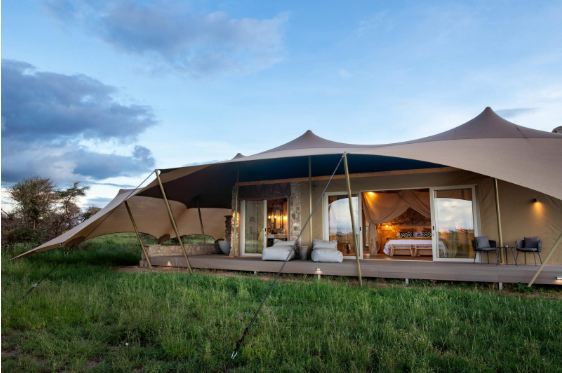
Tanzania safari tours divide broadly between camping and lodge-based accommodations. Camping tours utilize tents at public or special campsites, significantly reducing costs while providing authentic bush experiences. Camping ranges from basic (sleeping bags on foam pads) to comfortable (proper beds in walk-in tents with bedding provided) to luxury (spacious tents with en-suite bathrooms).
Lodge-based tours feature permanent accommodations from simple guesthouses to mid-range lodges to luxury properties. Lodges provide reliable comfort, private facilities, restaurants, bars, and often swimming pools. The trade-off involves higher costs and sometimes locations farther from core wildlife areas compared to campsites positioned within parks.
Choosing the best gorilla trekking company in Uganda and Rwanda can make your wildlife adventure smoother, safer, and more memorable. A reliable operator should handle important details such as gorilla permits, transportation, accommodation, experienced guides, and customized itineraries. Uganda offers spectacular trekking in Bwindi Impenetrable National Park, while Rwanda’s Volcanoes National Park provides convenient access from Kigali. Both destinations offer exceptional mountain gorilla encounters, although the trekking environment and travel logistics differ. By working with an experienced local company, travelers can enjoy a well-organized journey while focusing on the incredible experience of observing mountain gorillas in their natural habitat.
Practical Aspects of Tanzania Safari Tours
What’s Typically Included
Standard Tanzania safari tour inclusions cover park entrance fees (substantial costs often exceeding $300-400 for multi-day tours), accommodations for specified nights, meals as indicated (usually full board during safari days), game drives, professional guide services, safari vehicle use with fuel, airport transfers, and government taxes.
Quality tours specify exactly what’s included rather than using vague language. Verify whether bottled water during drives, crater service fees, and concession levies are included, as these add up significantly. Understanding inclusions prevents budget surprises and enables accurate tour comparisons.
Common Exclusions
Most Tanzania safari tours exclude international flights to Tanzania, visa fees ($50-100 for most nationalities), travel insurance, optional activities like hot air balloon safaris ($500-600 per person), alcoholic beverages beyond basic house wines at some properties, tips for guides and staff, and personal purchases including souvenirs and communication costs.
Tips represent significant additional expenses—budget approximately $15-25 daily per traveler for guides, similar amounts for camp or lodge staff, and additional amounts for specialized activity guides. Clarifying exclusions during booking enables accurate total cost calculations.
Pre-Tour Preparation
Preparing for Tanzania safari tours involves several steps. Obtain appropriate visas—most nationalities qualify for e-visas applied online before travel. Arrange comprehensive travel insurance covering medical evacuation given remote locations far from advanced healthcare facilities. Complete recommended vaccinations including yellow fever (sometimes required), typhoid, hepatitis A and B, and routine immunizations.
Begin malaria prophylaxis before departure as prescribed by travel medicine specialists. Pack appropriately with neutral-colored clothing, sun protection, insect repellent, quality binoculars, camera equipment with telephoto capabilities, and any personal medications with copies of prescriptions.
Maximizing Your Tanzania Safari Tour
Photography Strategies
Capturing memorable images on Tanzania safari tours requires planning. Bring telephoto lenses (minimum 200mm, ideally 400mm or longer) for wildlife. Fast shutter speeds (1/500s or faster) freeze animal movement and compensate for vehicle vibration. Shoot during golden hours—early morning and late afternoon—when lighting enhances images dramatically.
Patience proves essential for compelling wildlife photography. Wait for interesting behavior beyond simple portraits—interactions between animals, hunting sequences, or environmental context showing subjects within landscapes. Communicate photographic priorities to guides who can position vehicles optimally and allow extended time at significant sightings.
Wildlife Viewing Etiquette
Responsible behavior on Tanzania safari tours protects wildlife and enhances experiences. Maintain quiet in vehicles to avoid disturbing animals. Stay seated while driving and during most sightings—standing poses safety risks and may alarm wildlife. Never feed animals or leave litter, both of which create dangerous habituation.
Follow guide instructions consistently regarding safe distances and appropriate behavior. Guides understand animal body language signaling stress or potential aggression. Respecting their expertise ensures both safety and better sightings as relaxed animals exhibit natural behaviors rather than flight responses.
Building Relationships with Guides
Your guide relationship significantly impacts Tanzania safari tour enjoyment. Communicate interests, priorities, and questions openly. Experienced guides appreciate engaged guests asking thoughtful questions and demonstrating genuine interest. Share relevant experience levels—whether first safari or twentieth—helping guides calibrate explanations appropriately.
Respect guides’ knowledge and decisions about routes, timing, and approaches. They balance multiple factors including weather, current wildlife locations, other vehicle positions, and overall guest experience when making moment-to-moment choices during drives.
Conclusion
A Tanzania safari tour represents far more than checking destinations off lists or accumulating wildlife photographs. These structured journeys provide frameworks within which authentic wilderness encounters unfold—where expert guides reveal hidden wildlife stories, where patient observation rewards with intimate behavioral moments, where sunrises over African plains recalibrate perspectives on humanity’s place within nature’s grand design. The success of Tanzania safari tours ultimately depends on matching tour styles, accommodations, and operators to personal preferences while maintaining realistic expectations that wild animals operate on their own schedules, not ours. When approached with flexibility, curiosity, and respect for both nature and local expertise, Tanzania safari tours deliver transformative experiences that resonate throughout life, often sparking lasting commitments to wildlife conservation and compelling desires to return to Africa’s wild heart again and again.
Frequently Asked Questions
How many days should my Tanzania safari tour last? Five to seven days represents optimal duration for northern circuit tours, allowing visits to multiple parks without excessive rushing while providing adequate wildlife encounters. Three to four-day tours feel compressed and involve substantial time traveling rather than viewing. Extended tours of 10+ days enable southern circuit additions, more leisurely pacing, or combination experiences with beach relaxation. Consider total travel time from home when determining duration.
What’s the difference between budget and mid-range Tanzania safari tours? Budget tours (typically $200-300 daily) use camping accommodations, larger group sizes, basic vehicles, and simpler meals while visiting identical parks as expensive tours. Mid-range tours ($400-700 daily) provide comfortable lodges or tented camps, smaller groups, better-maintained vehicles, experienced guides, and quality meals. Wildlife viewing opportunities remain similar; primary differences involve comfort, group dynamics, and guide expertise levels.
Can I see all Big Five animals on a Tanzania safari tour? Tanzania safari tours provide excellent opportunities for all Big Five sightings—lions, leopards, elephants, buffalo, and rhinos. Lions, elephants, and buffalo are commonly encountered. Leopards require patience as solitary, primarily nocturnal cats but appear regularly with persistent searching. Black rhinos remain rarest, with Ngorongoro Crater offering best chances among standard tour destinations. No sightings are guaranteed in wild environments.
Are Tanzania safari tours safe for tourists? Yes, Tanzania safari tours maintain excellent safety records when using reputable operators and following guide instructions. Professional guides understand wildlife behavior and safety protocols. Vehicles provide protection during encounters. Real risks arise from ignoring rules like exiting vehicles without permission or approaching animals independently. Medical and evacuation insurance provides additional security given remote locations far from advanced healthcare facilities.