


Rwanda, often referred to as the “Land of a Thousand Hills,” has become one of Africa’s most remarkable safari destinations. While the country is globally renowned for its mountain gorilla trekking experiences, Rwanda offers much more than primate encounters. From breathtaking national parks and scenic lakes to diverse wildlife and vibrant cultural experiences, Rwanda safaris provide travelers with an unforgettable blend of adventure, conservation, and luxury.
Unlike many traditional rwanda safaris africa destinations, Rwanda combines compact geography with world-class tourism infrastructure. Visitors can enjoy gorilla trekking in the misty mountains, witness the Big Five in savannah landscapes, explore lush rainforests, and immerse themselves in authentic local culture—all within a relatively short travel distance.
Whether you’re a wildlife enthusiast, photographer, honeymooner, or first-time visitor to Africa, Rwanda offers an extraordinary safari experience that balances conservation with sustainable tourism.
Why Choose Rwanda for an African Safari?
Rwanda and Kenya safaris Africa has transformed itself into one of Africa’s safest and cleanest countries while becoming a global leader in wildlife conservation.
Some of the major reasons travelers choose Rwanda include:
- World-famous mountain gorilla trekking
- Beautiful volcanic landscapes
- Luxury eco-lodges
- Excellent road infrastructure
- Safe and politically stable environment
- Rich biodiversity
- Responsible tourism practices
- Easy combination of wildlife and cultural tours
Unlike larger safari destinations, Rwanda allows visitors to experience multiple attractions without spending long hours traveling between parks.
Gorilla Trekking: Rwanda’s Greatest Attraction
The highlight of every Rwanda safari in Africa is mountain gorilla trekking in Volcanoes National Park.
Mountain gorillas are among the world’s most endangered animals, with only around one thousand individuals remaining in the wild. Rwanda protects a significant population living within the Virunga Mountains.
A typical trekking experience begins early in the morning with a briefing from experienced park rangers. Visitors are grouped according to fitness levels before hiking through dense forests in search of gorilla families.
Once located, tourists spend one magical hour observing these gentle giants as they feed, groom, play, and interact with one another.
Watching a silverback protect his family or observing playful young gorillas is often described as one of the greatest wildlife experiences on Earth.
Volcanoes National Park
Volcanoes National Park is Rwanda’s most famous protected area.
Located in the northwest of the country, the park features:
- Five volcanic mountains
- Dense bamboo forests
- Rare wildlife
- Scenic hiking trails
- Golden monkey populations
- Rich biodiversity
Besides gorilla trekking, visitors can enjoy:
Golden Monkey Tracking
Golden monkeys are playful and highly energetic primates found only in the Virunga Mountains.
Tracking them offers fantastic photography opportunities while supporting wildlife conservation.
Volcano Hiking
Adventure seekers can climb several extinct volcanoes, including Mount Bisoke and Mount Karisimbi.
These hikes provide spectacular panoramic views of Rwanda and neighboring countries.
Akagera National Park
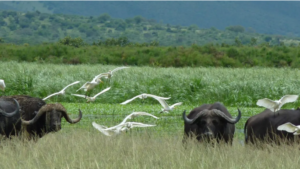
Akagera National Park offers Rwanda’s classic African safari experience.
Located in eastern Rwanda, the park consists of:
- Savannah grasslands
- Wetlands
- Lakes
- Woodlands
- Rolling hills
Following successful wildlife restoration programs, Akagera now hosts the famous Big Five:
- Lion
- Leopard
- Elephant
- Buffalo
- Rhinoceros
Game drives frequently reveal:
- Giraffes
- Zebras
- Hippos
- Crocodiles
- Hyenas
- Antelopes
- Warthogs
Bird lovers will discover more than 500 recorded bird species, making Akagera one of East Africa’s premier birdwatching destinations.
Nyungwe Forest National Park
Nyungwe Forest National Park is one of Africa’s oldest rainforests.
The park is home to:
- 13 primate species
- Chimpanzees
- Colobus monkeys
- Orchids
- Butterflies
- Waterfalls
- Ancient trees
Chimpanzee trekking is the park’s biggest attraction.
Visitors often hear loud calls echoing through the forest before locating energetic chimpanzee groups swinging between trees.
Rwanda’s Incredible Wildlife
Although gorillas receive most attention, Rwanda protects an impressive variety of wildlife.
Common animals include:
- African elephants
- Lions
- Leopards
- Rhinos
- Buffalo
- Hippos
- Crocodiles
- Giraffes
- Zebras
- Bushbucks
- Waterbucks
- Hyenas
- Serval cats
- Olive baboons
- Golden monkeys
- Chimpanzees
The country’s conservation success continues to increase wildlife populations every year.
Best Time for Rwanda Safaris
Rwanda offers year-round safari opportunities.
Dry Season (June to September)
Advantages include:
- Easier hiking
- Better gorilla trekking conditions
- Excellent wildlife viewing
- Less muddy trails
This is considered the peak safari season.
Short Dry Season (December to February)
Another excellent period featuring:
- Pleasant temperatures
- Clear skies
- Good photography conditions
Rainy Seasons
March to May and October to November experience heavier rainfall.
Benefits include:
- Fewer tourists
- Greener landscapes
- Lower accommodation prices
- Beautiful photography opportunities
Luxury Safari Lodges
Rwanda safari Africa is famous for its luxury eco-tourism.
Many safari lodges combine comfort with environmental sustainability.
Guests enjoy:
- Private villas
- Mountain views
- Gourmet cuisine
- Spa treatments
- Personalized safari experiences
- Eco-friendly architecture
Luxury accommodations often contribute directly to wildlife conservation and local communities.
Rwanda’s Conservation Success
Rwanda has become a global conservation leader.
Revenue generated through gorilla permits directly supports:
- Wildlife protection
- Ranger salaries
- Anti-poaching programs
- Community development
- Education
- Healthcare
- Environmental restoration
This sustainable tourism model has helped mountain gorilla populations steadily increase over the past decades.
Visitors actively contribute to conservation simply by participating in responsible tourism.
Cultural Experiences
Rwanda and Congo safaris also offer meaningful cultural encounters.
Popular activities include:
- Traditional dance performances
- Village tours
- Local craft markets
- Coffee farm visits
- Cultural museums
- Community tourism projects
Learning about Rwanda’s history and resilience adds valuable depth to every safari itinerary.
Photography Opportunities
Rwanda provides exceptional photography opportunities.
Photographers can capture:
- Mountain gorillas
- Volcanoes
- Sunrise landscapes
- Wildlife
- Rainforests
- Colorful birds
- Waterfalls
- Traditional villages
Early morning light often creates spectacular conditions for wildlife photography.
Sample Rwanda Safari Itinerary
Day 1
- Arrival in Kigali
- City tour
- Local markets
- Overnight stay
Day 2
- Travel to Volcanoes National Park
- Cultural village visit
Day 3
- Gorilla trekking
- Relaxation at lodge
Day 4
- Golden monkey tracking
- Scenic drive
Day 5
- Transfer to Akagera National Park
Day 6
- Morning game drive
- Boat safari
- Wildlife photography
Day 7
- Return to Kigali
- Departure
This itinerary offers an excellent introduction to Rwanda’s wildlife and culture.
Safari Costs
Rwanda is generally considered a premium safari destination.
Typical expenses include:
- Gorilla permits
- Park entrance fees
- Accommodation
- Transportation
- Guide services
- Meals
While costs may be higher than some neighboring countries, visitors receive exceptional service, safety, and conservation value.
Essential Safari Tips
To make the most of your Rwanda safari:
- Book gorilla permits well in advance.
- Pack waterproof hiking boots.
- Bring lightweight rain gear.
- Carry binoculars.
- Wear neutral-colored clothing.
- Respect wildlife viewing rules.
- Stay hydrated.
- Carry a quality camera.
- Purchase travel insurance.
- Follow ranger instructions at all times.
Preparation greatly enhances the safari experience.
Sustainable Tourism in Rwanda
Rwanda demonstrates how tourism can protect wildlife while improving local livelihoods.
Eco-tourism initiatives support:
- Forest conservation
- Wildlife research
- Local employment
- Women’s cooperatives
- Education programs
- Healthcare improvements
Travelers play a direct role in preserving one of Africa’s most precious ecosystems.
Key Takeaways
- Rwanda is one of Africa’s premier safari destinations.
- Gorilla trekking is the country’s most iconic wildlife experience.
- Volcanoes National Park protects endangered mountain gorillas.
- Akagera National Park offers exciting Big Five safaris.
- Nyungwe Forest is ideal for chimpanzee trekking and rainforest adventures.
- Rwanda combines luxury tourism with world-leading conservation efforts.
- Safaris can be enjoyed throughout the year, with the dry seasons offering the best trekking conditions.
- Visitors directly contribute to wildlife conservation through tourism.
Frequently Asked Questions (FAQs)
Is Rwanda safe for tourists?
Yes. Rwanda is considered one of Africa’s safest countries, with low crime rates, excellent infrastructure, and a strong focus on tourism.
What is Rwanda famous for?
Rwanda is best known for mountain gorilla trekking, beautiful volcanic landscapes, conservation efforts, and eco-tourism.
How difficult is gorilla trekking?
Most treks require moderate physical fitness. Some gorilla families are easier to reach than others, and guides assign groups based on visitors’ fitness levels.
How many days are ideal for a Rwanda safari?
A 5–7 day itinerary allows visitors to enjoy gorilla trekking, wildlife safaris, and cultural experiences without rushing.
Can I see the Big Five in Rwanda?
Yes. Akagera and Bwindi impenetrable forest National Park is home to lions, leopards, elephants, rhinos, and buffalo.
What should I pack?
Bring hiking boots, waterproof clothing, insect repellent, sunscreen, binoculars, a camera, and lightweight outdoor clothing.
Is Rwanda suitable for luxury travel?
Absolutely. Rwanda offers some of Africa’s finest luxury safari lodges with outstanding hospitality and breathtaking natural surroundings.
Conclusion
Rwanda and Uganda Safaris Africa offers an extraordinary combination of wildlife encounters, breathtaking scenery, and meaningful conservation experiences. Whether you’re standing face-to-face with a family of endangered mountain gorillas, tracking chimpanzees through ancient rainforests, or watching elephants roam the savannah in Akagera National Park, every moment in Rwanda is unforgettable.
Beyond its remarkable biodiversity, Rwanda stands out for its commitment to sustainable tourism, safety, and high-quality visitor experiences. The country’s successful conservation efforts demonstrate how responsible travel can protect wildlife while supporting local communities. From luxury eco-lodges to immersive cultural experiences, Rwanda provides a safari unlike any other in Africa.
For travelers seeking adventure, natural beauty, and authentic encounters with some of the world’s rarest wildlife, Rwanda and Tanzania safaris Africa is a destination that exceeds expectations. A Rwanda safari in Africa in the Land of a Thousand Hills is more than just a vacation—it is an inspiring journey into one of Africa’s greatest conservation success stories and an experience that will leave lasting memories for years to come.